
DOJ Targets Morris Township Gas Ban, Raising Stakes for NJ Homeowners and Builders
Morris Township, NJ — A quiet local ordinance aimed at cutting emissions has turned into a federal showdown that could reshape how New Jersey residents heat their homes, after the U.S. Department of Justice sued Morris Township over its ban on natural gas in new construction.
The lawsuit, filed this week in federal court, challenges the township’s decision to block gas, propane, and fuel oil systems in certain new buildings. Federal officials say the rule goes too far—arguing it limits consumer choice and could drive up costs for families building or buying new homes.
For now, the fight isn’t theoretical. It’s about what future homeowners in Morris Township will be allowed to install in their kitchens, basements, and utility rooms.
From local rule to national flashpoint
What started as a climate-focused policy at the municipal level is now part of a broader federal push against local gas bans.
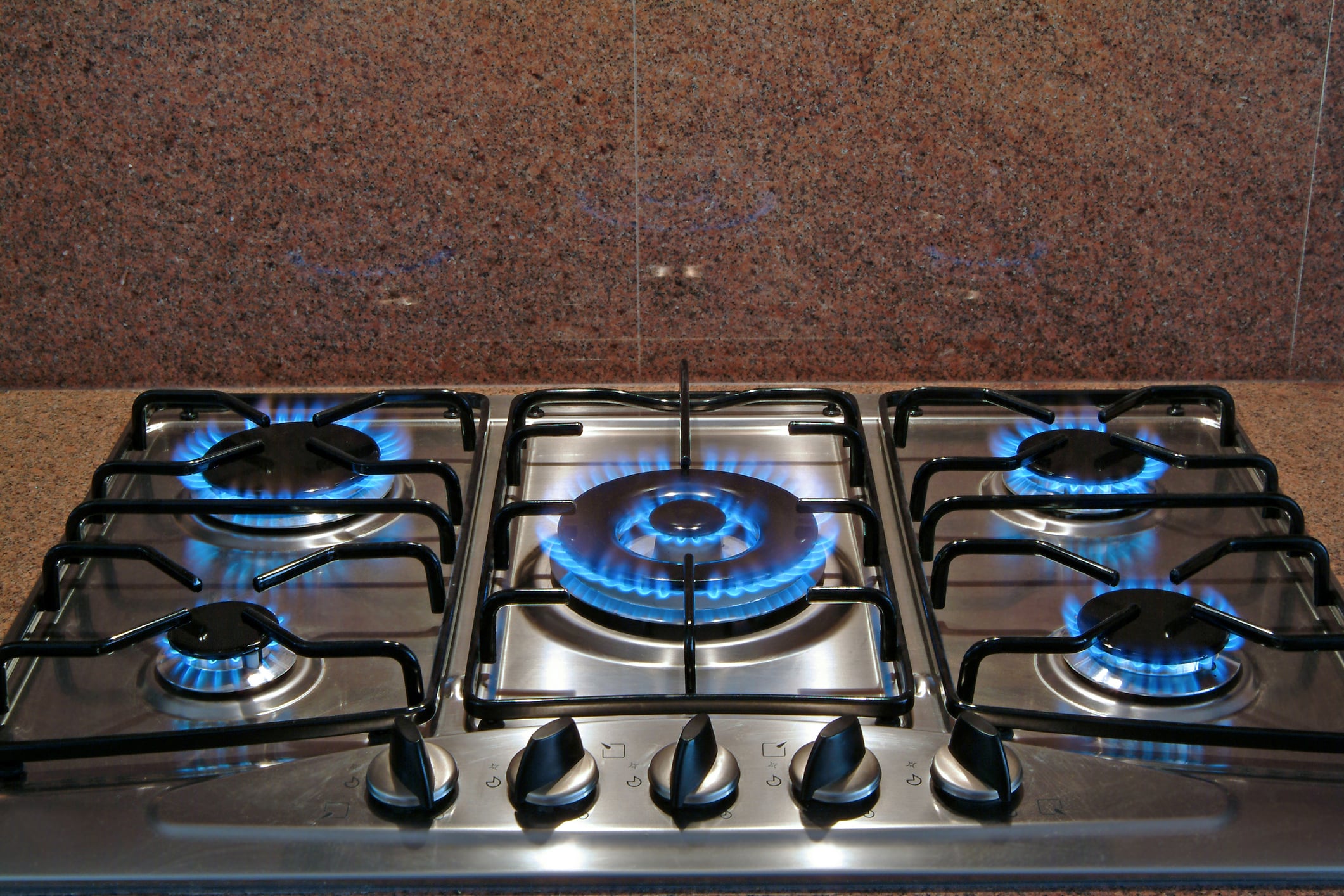
The Justice Department argues that towns like Morris Township don’t have the authority to effectively outlaw appliances—like gas stoves and furnaces—that are already regulated at the federal level. In its filing, the government frames the ordinance as an overreach into national energy policy.
That argument has already succeeded elsewhere. Two California cities recently backed off similar bans after facing federal lawsuits, and Morris Township now finds itself in the same legal crosshairs.
Why towns are passing these bans
Local officials across the country, including in New Jersey, have moved to limit natural gas in new construction as part of climate goals.
The logic is straightforward: all-electric buildings reduce emissions over time, especially as the power grid shifts toward renewable energy.
But those policies come with tradeoffs—particularly upfront costs, infrastructure changes, and limits on what homeowners can choose.
—
Key Points
• DOJ sues Morris Township over ban on natural gas in new construction
• Federal officials say local rules can’t override national appliance laws
• Case could impact how NJ towns pursue climate and energy policies
—
Where residents feel it most
For builders and buyers, the outcome could directly affect cost and design decisions.
Gas systems are often cheaper to operate in the short term and widely used for heating and cooking. Electric-only construction can require different equipment, upgraded electrical capacity, and in some cases higher upfront costs.
Supporters of the ban argue those costs balance out over time through efficiency and environmental benefits. Opponents say the immediate impact on housing affordability is being overlooked.
A wider fight coming to New Jersey
This case isn’t just about one township.
If the federal government wins, it could limit how far municipalities across New Jersey can go in restricting fossil fuels—potentially reshaping local climate strategies statewide.
If Morris Township prevails, it could embolden other towns to adopt similar bans.
What happens next
The case is in its early stages, and Morris Township has not yet formally responded in court.
Until a judge weighs in, the ordinance—and the broader question behind it—remains unresolved: who gets to decide how New Jersey homes are powered—the town, the state, or the federal government.